
Frida Kahlo daily routine: creative habits
Frida Kahlo's daily routine at Casa Azul centered on 5 habits: visual journaling and painting, color therapy, turning pain into art, tea, and letters.
Frida Kahlo's daily routine at Casa Azul centered on 5 habits: visual journaling and painting, color therapy, turning pain into art, tea, and letters.
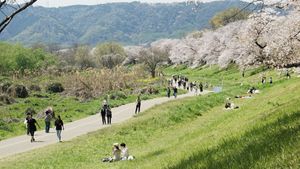
Japanese walking alternates 3 minutes of brisk walking with 3 minutes of slow walking for 30 minutes, 4 days a week, to build fitness and leg strength.

Lee Kuan Yew's daily routine centered on 5 habits: morning news analysis, Red Box policy work, Mandarin lessons, daily exercise, and zero smoking.
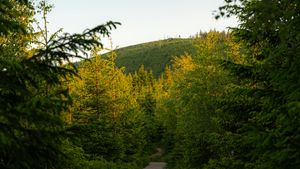
Mahatma Gandhi's daily routine centered on 5 habits: 4:20 AM prayer, walking up to 18 km a day, eating unprocessed foods, spinning cotton, and silence.
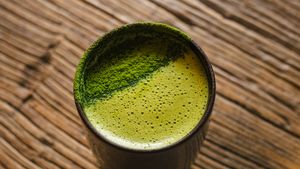
Marie Kondo's daily routine centers on 5 habits: morning fresh air, a warm Japanese breakfast, tuning-fork resets, mindful buying, and evening tidying.

Maya Angelou's daily routine centered on writing from 6:30 AM to 2:00 PM in a bare hotel room, card breaks, cooking dinner, and editing at night.

The 52/17 rule alternates 52 minutes of single-task work with a 17-minute screen-free break, based on DeskTime data from top-performing employees.

75 Medium is a 75-day challenge with one 45-minute workout, 90/10 nutrition, body-weight water intake, 10 pages of reading, and daily mindfulness.
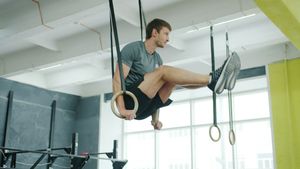
A 5-track calisthenics skill tree organized by muscle group, showing the order to learn handstand, L-sit, pistol squat, muscle-up, levers, and planche.
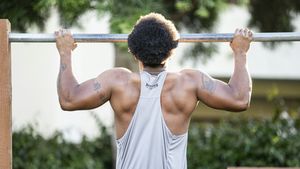
Grease the groove builds strength by doing 40% to 50% of your max reps across 5 to 8 sets a day, spaced 15+ minutes apart with zero failure.
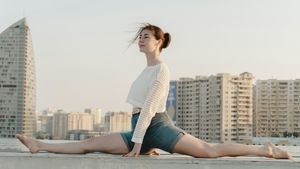
Getting the splits takes 1 to 3 months if you are 2 to 4 inches from the floor and 6 to 12+ months for stiff beginners stretching 10 to 15 minutes a day.
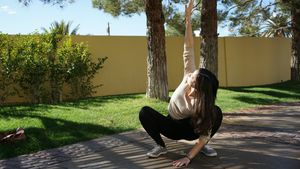
Getting a flat-heel deep squat sit takes 3 to 8 weeks of 5-minute daily practice, while holding it 2 to 5 minutes a day maintains hip and ankle mobility.
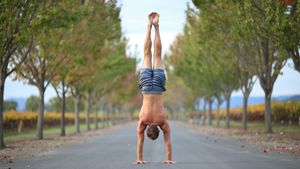
Learning a freestanding handstand takes 3 to 9 months (30 to 75 hours) of 10- to 15-minute daily wall holds, heel pulls, and balance drills.

The Flowtime Technique pairs open-ended focus sprints with proportional 5 to 30-minute rest breaks, using a count-up timer app instead of an interrupting alarm.
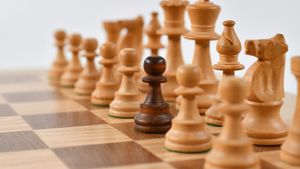
Getting better at chess requires 30 to 45 minutes of daily practice split between tactical puzzles, 10- to 15-minute rapid games, and unassisted loss review.
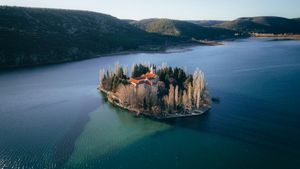
Monk mode is a 21 to 90-day focus sprint pairing daily meditation, 30 minutes of exercise, and sobriety with 1 to 3 custom deep-work habits.

A no-spend challenge pauses non-essential spending for 7 to 30 days, helping the average household save $185 a week to $796 a month.
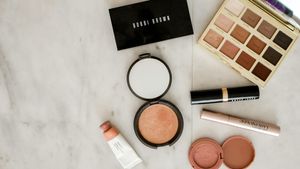
Project Pan is a challenge to finish existing makeup and skincare before buying more. Learn the core rules, how long makeup lasts, and how to track uses.
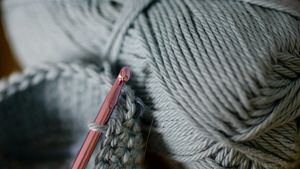
How to price crochet items fairly: calculate materials, choose your hourly wage, account for hands-on stitching time, and factor in marketplace fees.
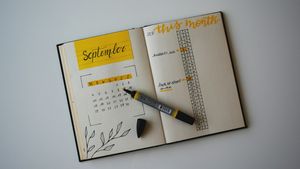
A human life spans roughly 4,000 to 4,680 weeks. Mapping your life into weeks puts career milestones, sleep, and free time into honest perspective.

Research shows forming a habit takes 18 to 254 days, with a median of 66 days. Here is how habit automaticity curves work and what makes routines stick.

A good study log tracks 6 details: subject, specific topic, active method, focused minutes, the sticking point, and where to begin tomorrow.
The Marcus Aurelius daily routine is built on 5 Stoic habits: morning preparation, deep morning duty, pausing before judgment, gratitude, and an evening review.

The Huberman daily protocol centers on 5 habits: morning sunlight, delaying caffeine 90 minutes, a 90-minute focus block, afternoon NSDR, and dim evening lights.

A 7-day personal time audit tracks four categories instead of every 15-minute chore: deep focus, intentional practice, health and movement, and hidden time leaks.

The Winter Arc is a 90-day personal sprint from October 1 to January 1 built on 3 to 5 daily habits, minimum bad-day floors, and a flexible habit tracker app.
The 75 Soft Challenge runs for 75 days with four daily habits: one 45-minute workout, 3 liters of water, 10 pages of reading, and mindful eating.
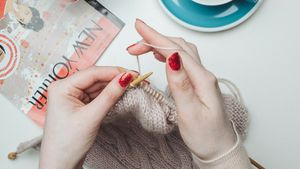
Knitting an adult sweater takes 20 to 80 hours, or about 40 to 50 hours for a worsted-weight medium. Here is how to calculate your hours and pace.

English speakers need about 1,012 class hours to use Thai at work. Basic conversational Thai takes 250 to 300 hours.
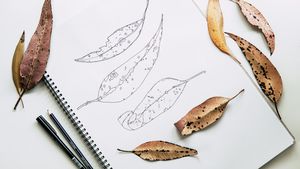
To get better at drawing, practice 20 to 30 minutes a day: warm up with line drills, do focused fundamental studies, and draw from real references.

The 20-hour rule says 20 hours of focused practice builds basic competence in any skill: deconstruct sub-skills, learn to self-correct, cut friction, and pre-commit.

English speakers need about 690 class hours to use French at work. Basic conversational French takes 350 to 400 hours.

English speakers need about 2,200 class hours to use Korean at work. Basic conversational Korean takes 350 to 400 hours.

English speakers need about 2,200 class hours to reach professional fluency in Mandarin. Basic conversation takes 250 to 300 hours.
Looking for a habit tracker with timer on iPhone? Compare 7 apps that log focus hours, Pomodoro sprints, and untimed daily habits in one place.
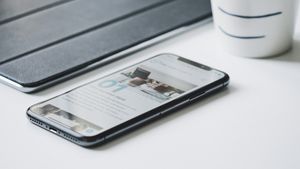
The best Streaks app alternatives on iPhone are timespent and Strides. Compare 6 habit trackers without a 24-task cap, with free plans and live timers.

English speakers need about 2,200 class hours for work-level Arabic. Basic spoken Arabic takes 60 to 180 hours.

English speakers need about 828 class hours for work-level German. B1, the level for citizenship, takes 260 to 490 class hours.

English speakers need about 2,200 class hours to use Japanese at work. Basic Japanese takes about 100 hours.

English speakers need about 552 class hours for work-level Norwegian. Conversational B1 takes 250 to 320 classroom hours.

Basic sign language takes 60 to 90 hours. Conversational ASL or BSL takes 480 to 600 hours, and professional fluency takes about 1,150 to 2,400 hours.

English speakers need about 690 class hours to speak Spanish well enough for work. At 1 hour a day, that's under 2 years.
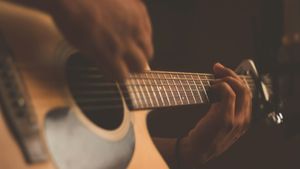
A daily guitar practice routine takes 20 to 30 minutes: warm up with a chromatic drill, practice chord changes, and play real songs.
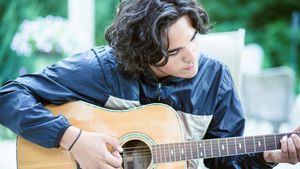
Learning guitar takes 1 to 3 months for simple songs, about a year for barre chords, and roughly 5 years of regular practice for an advanced level.
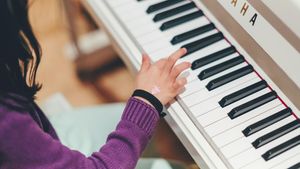
Learning piano takes about 7 months for simple songs and roughly 3.5 years for an intermediate level, practicing 30 minutes a day with a teacher.
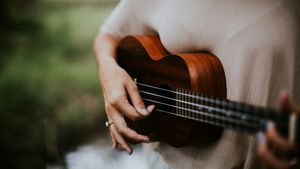
Learning the ukulele takes 1 to 2 weeks for your first song, 1 to 3 months (50 to 100 hours) to play songs smoothly, and 600 hours for intermediate level.
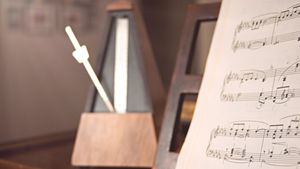
A music practice log tracks 6 things per session: date, warm-up, bars worked on, start and end BPM, minutes played, and your next session's focus.
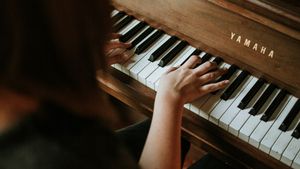
A piano practice routine for beginners takes 20 to 30 minutes a day: warm up and play a scale, then focus on the bars you can't play yet.

The US Foreign Service Institute estimates 552–690 class hours for Spanish or French, 828 for German, and 2,200 for Arabic, Mandarin, Japanese, or Korean.
The 10,000-hour rule says 10,000 hours of practice makes you world-class. It's only partly true, and reaching most goals takes a lot less time.